Surah Al-Fatihah is not just the opening chapter of the Quran; it is the essence of Islamic faith and practice. Understanding its profound meaning offers insights into the core beliefs of Islam and the spiritual journey of a believer. In this article, we delve into the significance of Surah Al-Fatihah, exploring its interpretation, themes, and spiritual benefits.
Surah Al-Fatihah, often referred to as “The Opening,” is the first chapter of the Quran and is recited in every unit of the Muslim prayer (Salah). It holds a place of great importance, encapsulating the core message of the Quran and serving as a spiritual guide for Muslims. This chapter, though brief, is rich in meaning, offering a comprehensive understanding of the relationship between the Creator and His creation.
As we embark on this Quranic study, we will uncover the deep meanings embedded in Surah Al-Fatihah, shedding light on why it is central to Islamic worship and how its teachings can enrich our spiritual lives.
The Importance of Surah Al-Fatihah
Surah Al-Fatihah is often described as the heart of the Quran. Its importance lies in the fact that it is a prayer for guidance, mercy, and forgiveness from Allah. The chapter sets the tone for the entire Quran, emphasizing the monotheistic essence of Islam and the need for divine guidance in every aspect of life.
Key Points:
- Central Role in Salah: Surah Al-Fatihah is recited in every unit of prayer, making it a fundamental part of daily worship for Muslims.
- Encapsulation of Quranic Themes: The chapter touches on themes such as the mercy of Allah, the day of judgment, and the straight path, which are expanded upon in the rest of the Quran.
- Spiritual Benefits: Reciting and understanding Surah Al-Fatihah is believed to bring numerous spiritual benefits, including a stronger connection with Allah and a deeper sense of peace.
The Structure and Significance of Surah Al-Fatihah
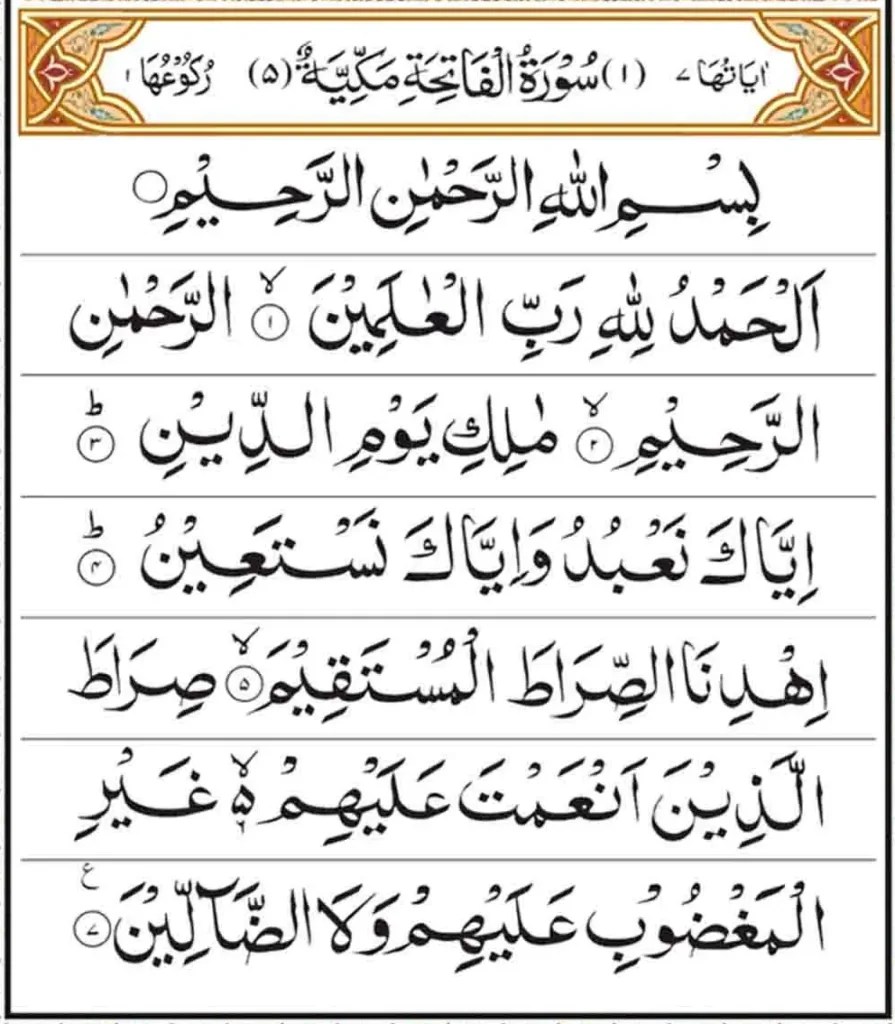
Surah Al-Fatihah is divided into seven verses, each carrying profound wisdom. Let’s delve into the meaning of each verse:
- Verse 1: Alhamdulillah (Praise be to Allah)
- This verse is a declaration of gratitude and praise to Allah, acknowledging His infinite blessings and mercy.
- Verse 2: Ar-Rahman Ar-Raheem (The Most Beneficent, the Most Merciful)
- This verse emphasizes Allah’s boundless compassion and kindness towards all His creation.
- Verse 3: Maalikul-Mulk (The King of all kingdoms)
- This verse affirms Allah’s absolute sovereignty and dominion over the universe.
- Verse 4: Iyyaka Na’budu wa Iyyaka Nasta’een (You alone we worship, and You alone we ask for help)
- This verse expresses the purest form of worship and reliance on Allah alone.
- Verse 5: Ihdina Siratal-Mustaqeem (Guide us to the Straight Path)
- This verse is a heartfelt supplication seeking guidance from Allah towards the righteous path.
- Verse 6: Siratalladheena An’amta ‘Alaihim (The path of those You have favored)
- This verse highlights the desire to follow the path of Allah’s beloved servants.
- Verse 7: Ghair-il-Magdhoobi ‘Alaihim wa Ladh-Daaalleen (Not of those who have incurred Your wrath or those who have gone astray)
- This verse is a prayer for protection from the paths of those who have incurred Allah’s displeasure or have gone astray.
Interpretation of Surah Al-Fatihah
The interpretation of Surah Al-Fatihah reveals its profound layers of meaning. The chapter begins with praise for Allah, recognizing Him as the Lord of all worlds, the Most Compassionate, and the Most Merciful. It acknowledges the Day of Judgment and the absolute power of Allah over all matters.
Detailed Explanation:
- Praise and Gratitude: The opening verses express gratitude to Allah, acknowledging His infinite mercy and the blessings He bestows upon His creation.
- Guidance: The chapter serves as a plea for guidance on the straight path, away from the paths of those who have earned Allah’s anger or gone astray.
- Monotheism: Surah Al-Fatihah underscores the monotheistic nature of Islam, affirming that worship and seeking help should be directed solely to Allah.
Spiritual and Practical Benefits of Reciting Surah Al-Fatihah
Reciting Surah Al-Fatihah is not only an act of worship but also a means of seeking spiritual upliftment and guidance. The chapter is often referred to as a cure, with its recitation believed to bring healing and protection.
Benefits Include:
- Healing: Many Islamic scholars recommend reciting Surah Al-Fatihah for physical and spiritual healing, as it is believed to be a cure for various ailments.
- Guidance: Regular recitation helps Muslims stay on the straight path, reminding them of their purpose and the importance of seeking Allah’s guidance in all matters.
- Strengthening Faith: Understanding and reciting Surah Al-Fatihah strengthens one’s faith, deepening the connection between the believer and Allah.
Conclusion:
Surah Al-Fatihah is much more than just the opening chapter of the Quran; it is a profound prayer that encapsulates the essence of Islamic faith. Its recitation is a powerful act of worship, providing spiritual guidance, healing, and a deeper connection with Allah. By understanding its meaning, Muslims can enhance their daily prayers and overall spiritual journey.
Find out more on the significance of daily prayers, read our article on ” Build Strong Islamic Family Traditions Through Quran and Prayer“.
Note: This article provides a foundational overview of Surah Al-Fatihah. For a more comprehensive understanding, it is recommended to consult with Islamic scholars and refer to authoritative commentaries on the Quran.
#QuranicStudy #SurahAlFatihah #IslamicFaith #Quran #IslamicKnowledge